Fun Group Activities Checklist for Every Occasion
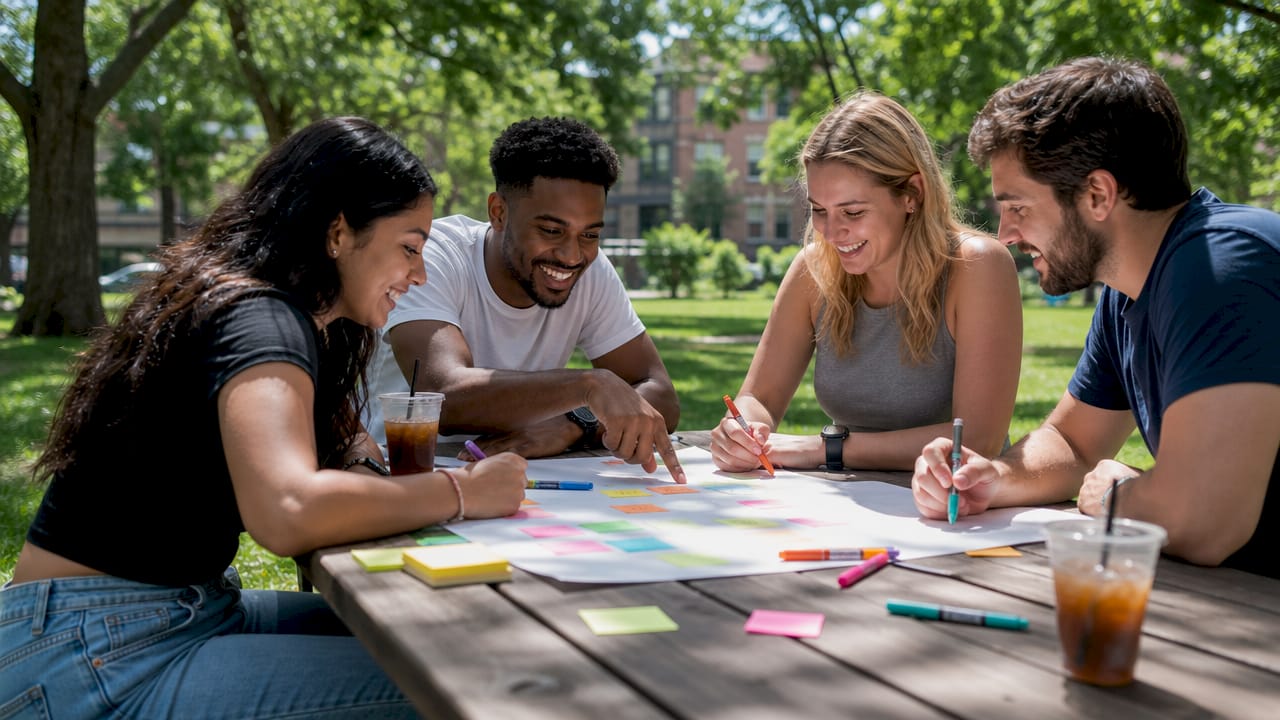
A fun group activities checklist is a structured planning tool that organizes activities, logistics, and timing to maximize enjoyment at any social gathering, team-building event, or family outing. Without one, even well-intentioned events stall on indecision, dead time, or mismatched activities. The best checklists account for group size, energy levels, venue constraints, and participant preferences before anyone arrives. Games like Two Truths and a Lie work for small groups, while Human Knot and DIY scavenger hunts scale to larger crowds. This guide covers what to include, which activities fit which groups, and how to run everything without losing momentum.
1. What to include in your fun group activities checklist
A solid checklist for group events covers six core categories. Miss one and you risk a gap that derails the whole experience.
- Invite management and RSVP tracking. Confirm headcount at least 48 hours before the event. Activity selection, food quantities, and space requirements all depend on knowing exactly how many people are coming.
- Activity selection by group size and interest. Small groups of 3 to 4 need intimate games, while groups of 9 or more require team-based structures. Match the activity to the crowd, not the other way around.
- Scheduling with time blocks. Assign a start time, end time, and transition window to every activity. Vague schedules collapse under real-world delays.
- Supplies and equipment prep. List every item needed per activity. Trivia nights need printed sheets and pens. Outdoor lawn games need equipment and a flat surface. Check the list the day before, not the morning of.
- Food and beverage planning. Coordinate meal timing around high-energy activities. Eating right before a competitive relay race is a recipe for low participation.
- Safety and accessibility. Confirm that every activity works for every participant. Note any mobility, dietary, or sensory considerations upfront.
Pro Tip: Create a single shared document or printable checklist that your whole planning team can access and update in real time. Partner resources like this event planning guide offer ready-made frameworks you can adapt in minutes.
2. Activity ideas for small groups (3 to 4 people)
Small groups thrive on activities that feel personal and low-pressure. Two Truths and a Lie, Codenames, and tabletop trivia all work well because they require conversation rather than physical coordination. These formats let quieter participants contribute without feeling exposed.
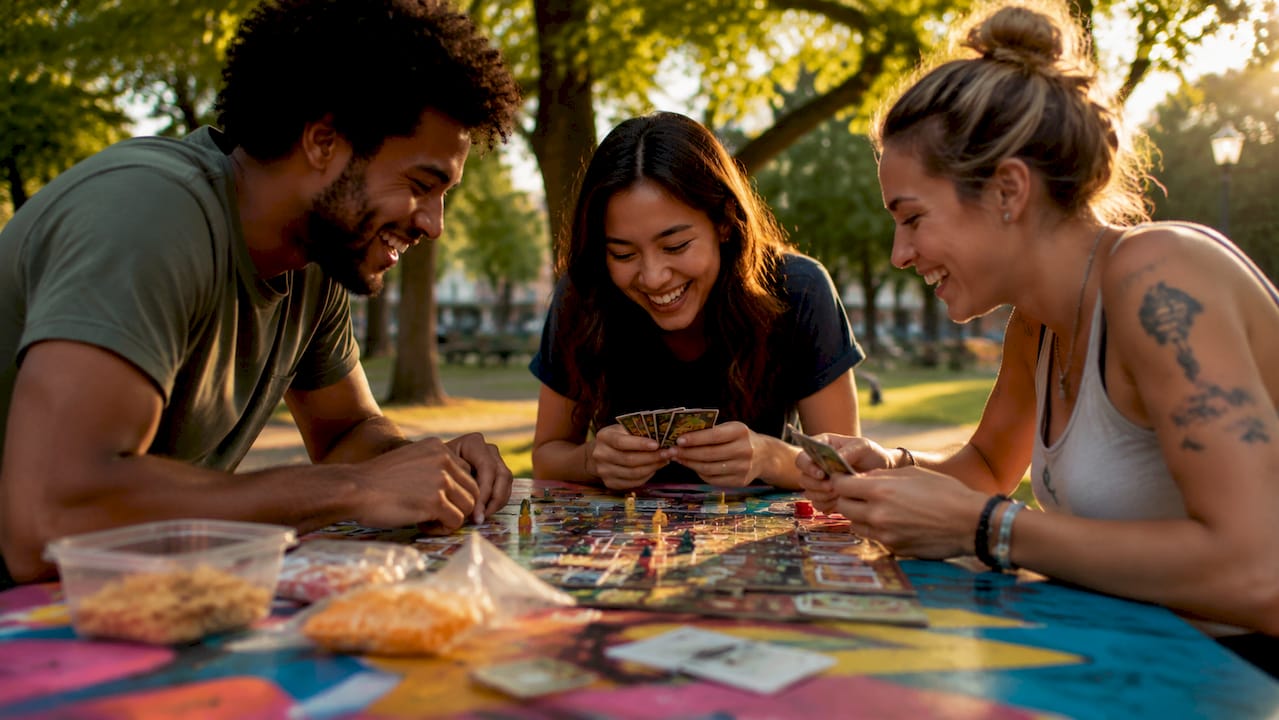
Creative activities also land well at this scale. Collaborative drawing games like Pictionary or Telestrations keep energy light while generating genuine laughs. Cooking challenges, where each person contributes one ingredient or step, turn a meal into the activity itself.
Timing matters even with small groups. Children’s attention spans for organized activities average just 15 to 20 minutes, so plan short segments and rotate frequently. Adults tolerate longer stretches, but 30 to 40 minutes per activity is still a reliable upper limit before engagement dips.
3. Activity ideas for medium groups (5 to 8 people)
Medium groups hit the sweet spot for multi-station formats. You have enough people to create variety without the logistical overhead of managing a large crowd. Murder mystery dinners, escape room sessions, and team trivia all perform consistently at this size.
Collaborative tasks work especially well here. A group puzzle challenge, a group cooking class, or a team-based scavenger hunt through a neighborhood or park gives everyone a defined role. Shared experiences build trust and encourage collaboration without the pressure of a formal work setting, which makes them ideal for both corporate team bonding and friend groups.
Rotation games like Bingo, Jenga tournaments, or card game brackets keep the energy moving. Set a timer for each round and post the standings visibly. Friendly competition at this group size almost always produces the most memorable moments of the event.
4. Activity ideas for large groups (9 or more people)
Large groups require structure or they fragment into side conversations and disengaged clusters. The fix is simple: break large groups into smaller units of 4 to 8 people. This surfaces natural leadership, keeps everyone active, and prevents the loudest voices from dominating.
| Activity | Best for | Estimated time |
|---|---|---|
| Team scavenger hunt | 9 to 20 people | 60 to 90 minutes |
| Trivia tournament | 10 to 30 people | 45 to 75 minutes |
| Relay races or lawn games | 12 to 40 people | 30 to 60 minutes |
| Escape room (multiple rooms) | 10 to 24 people | 60 to 75 minutes |
| Human Knot | 9 to 16 people | 15 to 25 minutes |
Outdoor group games like capture the flag, kickball, or a field day format give large groups physical outlets that also build camaraderie. Always have an indoor backup. Organizers benefit from a Plan B for outdoor events because weather disruption is the most common reason large-group events fall apart.
5. How to organize activities for the best flow and engagement
Activity sequencing determines whether your event feels energizing or exhausting. The rule of thirds is the most reliable framework: mix one third high-energy, one third collaborative or creative, and one third calm or social activities to prevent fatigue and keep the mood balanced across the full event.
Start with a low-stakes icebreaker that gets people talking without requiring skill or prior knowledge. Two Truths and a Lie, a quick trivia warm-up, or a name game all work. Then move into your main activity. Close with something social and low-pressure, like a group meal, open conversation, or a casual game.
Pro Tip: Schedule 10 to 15 minutes of buffer time per hour to handle transitions and delays. Buffer time prevents schedule slippage and gives participants room to grab a drink, use the restroom, or simply decompress between activities.
A few additional flow principles worth building into your group activity ideas:
- Place your highest-energy activity in the middle of the event, not at the start or end.
- Avoid scheduling two competitive activities back to back. Alternate with something cooperative.
- Confirm that instructions for each activity are printed or displayed, not just explained verbally. Groups retain written instructions better under social pressure.
- Assign a facilitator for each activity, even if that person is also a participant.
6. Tools and resources to build and run your checklist
The right tools cut planning time significantly and reduce the chance of overlooking a critical detail.
Digital apps and platforms. Kahoot! handles custom trivia for groups of any size and runs entirely from a smartphone. Goosechase builds GPS-based scavenger hunts with photo and video challenges. Both platforms offer free tiers that cover most casual group events.
Printable checklists and organizers. A printed game night organizer keeps the host on track without requiring constant phone checks. Resources like this 2026 event planning checklist provide structured templates covering RSVPs, supply lists, timelines, and contingency plans.
Escape room experiences. Booking a professionally designed escape room removes most of the planning burden. The activity, timing, facilitation, and props are all handled by the venue. For groups where you want high engagement without DIY prep, this is the highest-value option on any team building activities list. DIY activities often require substantial prep time even when materials cost little, so a managed experience frequently delivers better results per hour of organizer effort.
Standard activity categories to track in your checklist:
- Quick energizers: 5 to 15 minutes, categorized separately from longer workshops
- Team workshops: 1 to 3 hours, requiring advance material prep
- Social activities: open-ended, requiring minimal facilitation
- Physical challenges: require space confirmation and safety check before the event
Key takeaways
A well-built group activities checklist is the single most reliable predictor of whether a social gathering, team event, or family outing runs smoothly and leaves participants wanting to do it again.
| Point | Details |
|---|---|
| Match activities to group size | Small groups need intimate formats; large groups need team-based structures with sub-groups of 4 to 8. |
| Use the rule of thirds | Balance high-energy, collaborative, and calm activities to sustain engagement across the full event. |
| Build in buffer time | Add 10 to 15 minutes per hour to absorb transitions, delays, and natural social pauses. |
| Prepare a backup plan | Always have an indoor alternative ready for outdoor events to prevent weather-related cancellations. |
| Use tools to reduce prep load | Apps like Kahoot! and Goosechase, plus printable checklists, cut planning time and improve execution. |
Why the checklist matters more than the activities themselves
Here is what years of running group experiences at Codebustersescaperoom have taught us: the activity almost never fails on its own. What fails is the planning around it. We have watched groups arrive excited for an escape room session and spend 20 minutes standing around because no one confirmed the booking details or assigned a point of contact. The room was ready. The group was not.
The checklist is not bureaucracy. It is the difference between an event that flows and one that stalls. We have seen corporate teams bond deeply over a 60-minute puzzle session and walk out with more trust than they built in months of meetings. We have also seen the same format fall flat because the organizer did not account for group size, and 14 people tried to squeeze into a room designed for 8.
The counterintuitive truth about group fun is that spontaneity works best inside a structure. When logistics are handled, people relax. When people relax, they engage. When they engage, the activity does its job. The escape rooms vs. other group games comparison we have written about makes this point clearly: the format matters less than the preparation behind it.
Plan the details. Then let the fun happen.
— CodeBusters
Add an escape room to your group activities lineup
Codebustersescaperoom in Colorado Springs offers immersive, themed escape room experiences built for groups of all sizes, from small friend gatherings to full corporate team-building events. Rooms like “Stranger 80’s,” “Past to the Future,” and “Flight of Deception” are designed with layered puzzles that require genuine collaboration, communication, and creative thinking. Every booking is private, so your group gets the full experience without sharing space with strangers. Whether you are building a team bonding activities list for a corporate outing or planning a memorable family event, an escape room session handles the activity, timing, and facilitation for you. Book your session and check the hardest item off your group activities list.
FAQ
What should a fun group activities checklist include?
A group activities checklist should cover RSVP tracking, activity selection by group size, a timed schedule with buffer windows, a supplies list, food planning, and safety or accessibility notes. These six categories prevent the most common planning gaps.
How many activities should I plan for a group event?
Plan two to three structured activities per two hours of event time, with buffer periods between each. Standard team-building activities fall into quick energizers (5 to 15 minutes) and longer workshops (1 to 3 hours), so mix both types to maintain energy.
What are the best activities for large groups?
Team scavenger hunts, trivia tournaments, relay races, and multi-room escape room bookings all work well for groups of 9 or more. Breaking large groups into sub-teams of 4 to 8 people produces better participation and engagement than keeping everyone together.
How do I keep a group engaged throughout a long event?
Apply the rule of thirds: one third high-energy activities, one third collaborative or creative tasks, and one third calm or social time. This balance prevents fatigue and keeps the mood positive across a full event day.
Are escape rooms good for team-building events?
Escape rooms are one of the most effective team-building exercises available because they require communication, problem-solving, and trust under a shared time constraint. Shared experiences build trust and remove the pressure of a formal work environment, making the collaboration feel natural rather than forced.