How escape rooms transform corporate events in 2026
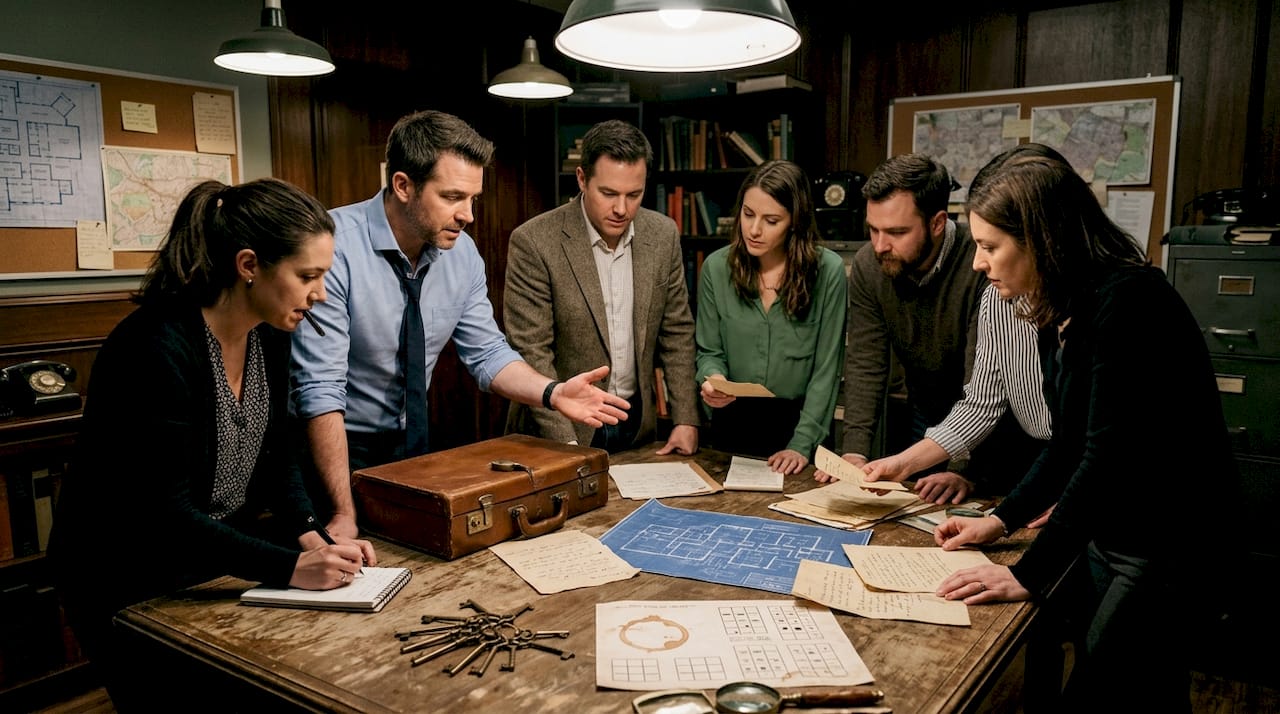
Most corporate event planners dismiss escape rooms as entertainment for kids’ birthday parties. Yet research shows these immersive challenges deliver measurable gains in team collaboration, communication, and problem-solving that traditional trust falls and rope courses rarely achieve. When properly structured, escape rooms serve as strategic tools for HR managers seeking to build cohesive, high-performing teams through experiential learning that participants actually remember months later. This guide explores the empirical evidence, practical nuances, and actionable strategies for integrating escape rooms into your 2026 corporate event calendar.
Table of Contents
- Understanding How Escape Rooms Foster Team Collaboration
- Empirical Evidence For Escape Rooms’ Impact On Corporate Teams
- Nuances And Challenges In Using Escape Rooms For Corporate Events
- Practical Tips For Integrating Escape Rooms In Corporate Events
- Discover Tailored Escape Room Experiences For Your Corporate Team
Key takeaways
| Point | Details |
|---|---|
| Collaboration boost | Escape rooms create immersive, timed challenges requiring teams to communicate effectively and delegate roles under pressure. |
| Optimal group sizing | Groups of 4-10 participants per room maintain engagement; larger corporate events split into multiple rooms simultaneously. |
| Workplace skill transfer | Structured post-event debriefs translate game behaviors into actionable workplace communication and leadership improvements. |
| Evidence-based results | Studies show 100% recommendation rates and significant knowledge retention gains compared to passive training methods. |
| Superior to traditional methods | Escape rooms outperform trust falls and rope courses in behavioral insights, morale impact, and long-term retention. |
Understanding how escape rooms foster team collaboration
Escape rooms function as story-driven missions where participants must work together to solve interconnected puzzles within a fixed timeframe, typically 60 minutes. Unlike passive team-building seminars, these activities demand active participation from every team member. The core mechanics require communication, role assignment, and creative problem-solving under realistic time pressure that mirrors workplace deadlines.
The ideal group size ranges from 4-10 participants per room. Smaller teams ensure everyone contributes meaningfully, while larger groups risk spectators who disengage. Corporate events with 30 or 50 attendees should book multiple rooms simultaneously, allowing teams to compete or compare strategies afterward. This scaling approach maintains the intimate collaboration dynamic that makes escape rooms effective.
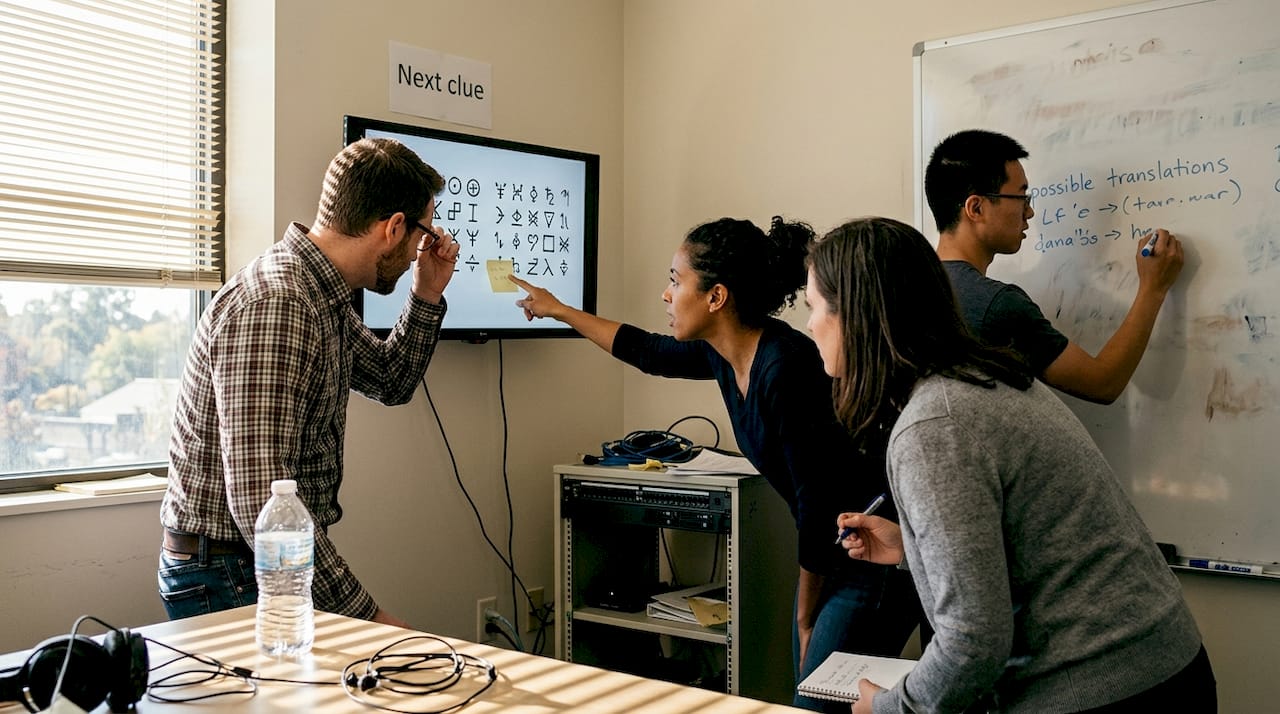
Puzzles within escape rooms vary from physical challenges like manipulating objects to mental tasks requiring pattern recognition or logical deduction. Success depends on team members sharing discoveries immediately, delegating tasks based on individual strengths, and adapting strategies when initial approaches fail. These behaviors directly parallel workplace scenarios where projects demand rapid information sharing and flexible problem-solving.
Time constraints create productive stress that reveals how individuals perform under pressure. Some team members naturally assume leadership roles, coordinating efforts and maintaining focus. Others excel at detailed analysis or creative thinking. The 60-minute limit forces teams to make decisions quickly, just as business environments require timely action despite incomplete information.
Pro Tip: Choose escape rooms with themes that mirror your industry’s challenges. A cybersecurity firm might select a hacker-themed room, while a healthcare organization could opt for a medical mystery scenario to reinforce relevant problem-solving frameworks.
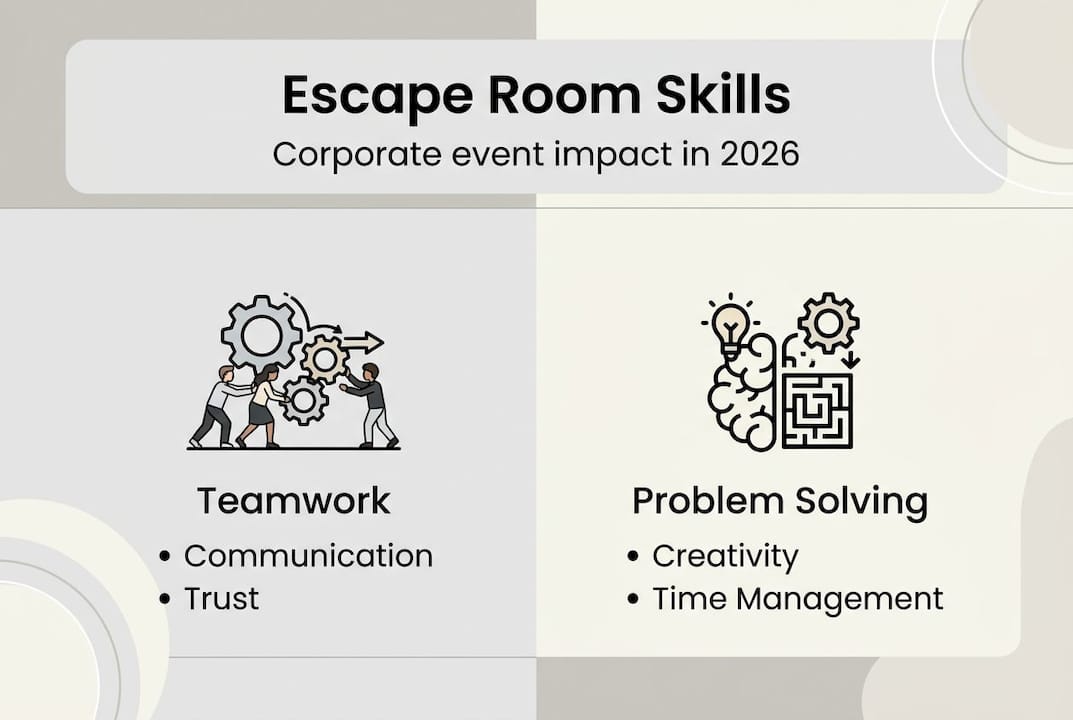
The collaborative demands of escape rooms develop practical workplace skills. Teams practice effective communication and time management while navigating unfamiliar challenges together. Unlike trust falls that require passive faith in colleagues, escape rooms demand active cooperation where every team member’s contribution directly impacts collective success. This experiential learning creates stronger behavioral patterns that transfer to office environments.
Empirical evidence for escape rooms’ impact on corporate teams
Research across multiple sectors demonstrates measurable benefits from escape room-based team building. A paramedic training study using escape rooms achieved a 100% recommendation rate with 4.94 out of 5 enjoyment scores from participants. A radiology education escape room recorded a 66.7% success rate with 4.84 out of 5 enjoyment ratings, while a nursing education meta-analysis found significant knowledge gains compared to traditional lecture formats.
These metrics reveal two critical insights for corporate planners. First, high enjoyment scores correlate with stronger engagement and knowledge retention. When participants genuinely enjoy an activity, they invest more cognitive effort and remember lessons longer. Second, moderate success rates around 60-70% create optimal challenge levels. Rooms that are too easy bore participants, while impossibly difficult scenarios frustrate teams and diminish learning.
“Escape rooms cultivate experiential learning more effectively than passive methods by requiring participants to apply knowledge immediately under time pressure, creating stronger neural pathways for skill retention.”
Soft skill development represents another validated benefit. Studies document improvements in communication clarity, trust-building, and collaborative problem-solving after escape room experiences. Teams report better understanding of colleagues’ strengths and working styles, which translates to more effective task delegation in workplace projects. The immersive nature strengthens team bonds more durably than traditional icebreakers.
Comparative data further supports escape rooms’ superiority. While trust falls and rope courses create momentary bonding, they rarely produce lasting behavioral changes. Escape rooms generate concrete examples of successful collaboration that teams reference months later. Participants recall specific moments when a colleague’s insight solved a puzzle, creating positive associations that improve daily workplace interactions.
| Metric | Escape Rooms | Traditional Trust Falls |
|---|---|---|
| Enjoyment Rating | 4.84-4.94 out of 5 | 3.2-3.8 out of 5 |
| Knowledge Retention | Significant gains vs. lectures | Minimal measurable impact |
| Behavioral Insights | Natural leadership emergence visible | Limited role differentiation |
| Long-term Morale | References months later | Forgotten within weeks |
The meta-analysis of nursing education escape rooms provides particularly relevant data for corporate applications. Researchers found statistically significant improvements in knowledge retention compared to passive learning methods. This suggests that escape rooms’ active, problem-based format creates stronger memory encoding than presentations or workshops alone.
Corporate event planners should note that these benefits require proper implementation. Simply booking an escape room without context produces entertainment but limited workplace skill transfer. The studies showing strongest results paired escape room activities with structured debriefs that explicitly connected game behaviors to professional scenarios.
Nuances and challenges in using escape rooms for corporate events
While escape rooms offer compelling benefits, practical limitations require careful planning. The optimal group size of 6-10 participants per room creates logistical challenges for large corporate events. A company retreat with 80 attendees needs eight simultaneous rooms or multiple time slots, increasing coordination complexity and venue costs.
Participant suitability varies significantly. Escape rooms may trigger anxiety for individuals with claustrophobia or those uncomfortable with enclosed spaces. Teams with highly uneven skill levels sometimes fracture, with advanced puzzle-solvers dominating while others disengage. Event planners should communicate room characteristics clearly beforehand and offer alternative activities for those who prefer not to participate.
The pre-event brief sets critical expectations. Participants perform better when they understand that success requires sharing information immediately, not hoarding discoveries. Emphasizing collaboration over individual achievement prevents competitive dynamics that undermine team-building goals. A five-minute orientation explaining these norms significantly improves outcomes.
Post-event debriefs represent the highest-leverage investment for maximizing return on investment. Without structured reflection, participants view escape rooms as fun diversions rather than learning experiences. A skilled facilitator should guide teams through questions like: What communication patterns helped or hindered progress? How did leadership emerge? What workplace parallels exist? This explicit connection transforms entertainment into professional development.
Pro Tip: Schedule debriefs immediately after escape room sessions while experiences remain vivid. Waiting until the next day reduces emotional impact and memory clarity, diminishing learning transfer.
Natural leadership roles emerge quickly in escape room environments, often revealing unexpected talent. Quiet team members sometimes excel at pattern recognition, while typical office leaders may struggle with unfamiliar puzzle types. This hierarchy breakdown provides valuable insights into untapped potential within teams.
Time pressure affects different personality types distinctly. Some individuals thrive under deadlines, becoming more focused and decisive. Others experience analysis paralysis or make hasty errors. Observing these patterns helps managers understand how team members handle workplace stress and adjust delegation accordingly.
Compared to trust falls, escape rooms generate richer behavioral data. Trust falls reveal whether someone will catch a falling colleague but provide limited information about problem-solving approaches, communication styles, or strategic thinking. Escape rooms showcase these competencies naturally through gameplay, giving managers actionable insights for team composition and project assignments.
- Escape rooms unsuitable for individuals with severe claustrophobia or panic disorders
- Highly competitive personalities may dominate, requiring facilitator intervention
- Physical accessibility varies; confirm wheelchair access and accommodation options
- Noise levels in adjacent rooms can create distractions in multi-room venues
- Success rates below 40% or above 85% indicate poor difficulty calibration
Inclusive design considerations matter for corporate events. Venues should offer rooms with varied physical demands, ensuring participants with mobility limitations can contribute fully. Puzzles relying solely on visual cues exclude individuals with visual impairments unless alternative sensory elements exist. Discussing accommodation needs with venues beforehand prevents embarrassing situations during events.
Practical tips for integrating escape rooms in corporate events
Selecting the right venue requires evaluating corporate experience and scalability. Facilities accustomed to birthday parties may lack the sophistication for professional events. Look for venues offering customizable difficulty levels, private bookings, and dedicated event coordinators who understand business objectives beyond entertainment.
Theme selection significantly impacts learning transfer. Generic treasure hunt scenarios provide fun but limited workplace relevance. Crisis management themes where teams must prevent disasters mirror high-stakes business decisions. Espionage scenarios requiring information gathering and analysis parallel competitive intelligence work. Aligning themes with your industry reinforces relevant mental frameworks.
Target a 60-70% success rate for optimal engagement. This benchmark ensures rooms challenge teams without creating frustration. Venues should adjust puzzle difficulty based on group composition. A team of engineers might need harder logical puzzles, while a sales team might excel at communication-based challenges. Discuss customization options during booking.
Pro Tip: Request a walkthrough before your corporate event. Experiencing the room firsthand reveals whether puzzles align with your team-building goals and allows you to brief participants more effectively.
Structured debriefs transform escape rooms from entertainment to professional development. Allocate 20-30 minutes immediately after gameplay for facilitated discussion. Guide teams through specific reflection questions rather than generic “what did you learn” prompts. Ask: Which communication breakdowns cost time? When did someone’s unique skill prove critical? How does this mirror your current project challenges?
- Research venues with proven corporate event experience and scalable capacity for your group size
- Select themes that mirror workplace scenarios relevant to your industry or current business challenges
- Confirm the venue can calibrate difficulty to achieve 60-70% team success rates
- Schedule pre-event briefs explaining collaboration expectations and post-event debriefs for learning transfer
- Communicate room characteristics clearly beforehand and offer inclusive alternatives for diverse participant needs
- Book private sessions to avoid mixing corporate teams with public groups
- Request customization options like branded puzzles or company-specific scenarios for deeper engagement
Timing matters for corporate events. Mid-morning sessions after initial meetings work well, providing energizing breaks from passive content. Avoid scheduling escape rooms immediately before critical presentations when participants need mental focus elsewhere. End-of-day slots risk fatigue reducing engagement quality.
Budget considerations extend beyond room rental fees. Factor in transportation if the venue requires travel, facilitator costs for professional debriefs, and potential meal coordination if escape rooms span typical lunch hours. Many corporate-focused venues offer package pricing that bundles multiple rooms with catering and dedicated event support.
Follow-up reinforcement extends escape room benefits beyond the event day. Reference specific moments during subsequent team meetings: “Remember how Sarah’s lateral thinking solved that locked box? Let’s apply that creativity to this marketing challenge.” These callbacks strengthen the connection between game experiences and workplace behaviors, maximizing your training investment.
Discover tailored escape room experiences for your corporate team
Planning a corporate event that delivers measurable team-building results requires partners who understand business objectives beyond entertainment. CodeBusters Escape Room in Colorado Springs specializes in corporate team-building experiences with customizable themes, scalable group options, and private bookings that ensure your team’s full focus. Their award-winning rooms like Past to the Future and Flight of Deception offer varied difficulty levels suitable for diverse team compositions.
Their veteran and family-owned operation brings professionalism and attention to detail that corporate events demand. Whether you’re organizing a leadership retreat, new employee orientation, or quarterly team-building day, their experienced staff can recommend room combinations and timing that align with your specific goals. Explore their themed escape room options and discover how immersive challenges can strengthen your team’s collaboration and engagement in ways traditional activities cannot match.
FAQ
Are escape rooms suitable for all group sizes in corporate events?
Escape rooms work best with 4-10 participants per room to maintain engagement and ensure everyone contributes meaningfully. Large corporate groups should split into multiple rooms running simultaneously, then reconvene for debriefs comparing strategies. Groups smaller than four may lack diverse perspectives for complex puzzles, while groups exceeding ten create spectator dynamics where some participants disengage.
How do escape rooms improve workplace skills beyond fun activities?
Escape rooms enhance communication clarity, trust-building, creative problem-solving, and time management through active practice under realistic pressure. The key differentiator is structured post-event debriefs that explicitly connect game behaviors to workplace scenarios. Without facilitated reflection linking puzzle-solving strategies to project management or crisis response, escape rooms remain entertaining but deliver limited professional development value.
What considerations are there for participants with anxiety or claustrophobia?
Escape rooms may trigger anxiety for individuals uncomfortable with enclosed spaces or high-pressure scenarios. Event planners should communicate room characteristics clearly beforehand, emphasizing that doors remain unlocked and participants can exit anytime. Offering alternative activities or observer roles maintains inclusivity while respecting individual comfort levels. Some venues provide larger rooms or windows that reduce claustrophobic feelings.
How long should corporate teams allocate for escape room events?
Allocate 90-120 minutes total: 5-10 minutes for pre-event briefing, 60 minutes for the escape room challenge, and 20-30 minutes for structured debrief. Rushing the debrief diminishes learning transfer, while extending gameplay beyond 60 minutes risks fatigue. Multiple back-to-back sessions for large groups require additional buffer time for transitions between teams.
What return on investment can companies expect from escape room team building?
Companies report improved communication patterns, stronger colleague relationships, and increased morale lasting several months after well-executed escape room events. Quantifiable ROI appears in reduced conflict resolution time, faster project completion through better collaboration, and higher employee engagement scores. The investment pays off most clearly when escape rooms complement ongoing leadership development rather than serving as isolated entertainment.