Benefits of escape rooms in Colorado Springs: Fun & bonding
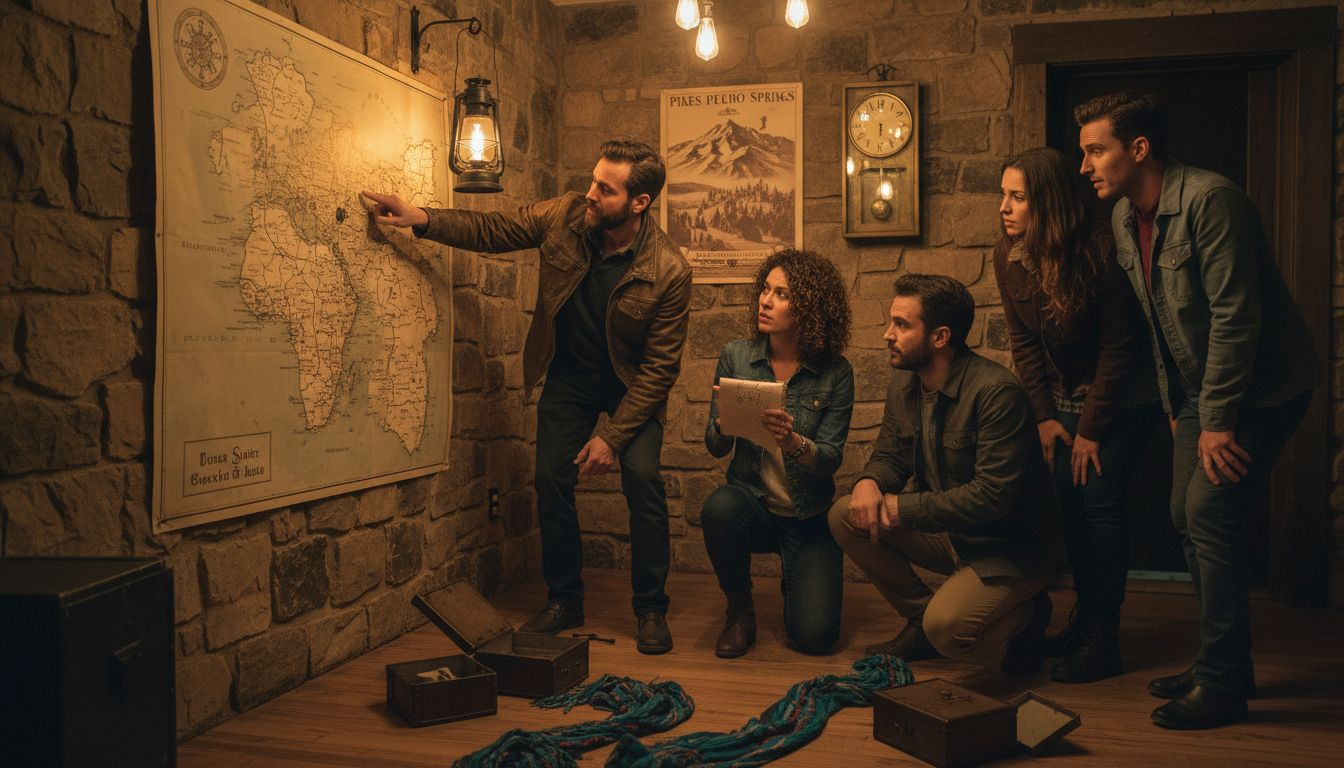
Choosing an escape room that fits your group’s unique needs can feel overwhelming with so many themes, difficulty levels, and experiences available in Colorado Springs. Whether you’re planning family fun, corporate team building, or tourist entertainment, understanding how to evaluate escape room options ensures you maximize cognitive, social, and entertainment value. This guide walks you through selection criteria, proven benefits, and tailored recommendations to help you pick the perfect immersive challenge.
Table of Contents
- How To Choose The Right Escape Room: Key Selection Criteria
- Cognitive Benefits Of Escape Rooms
- Social And Team Building Benefits
- Entertainment Value And Local Appeal
- Escape Room Variety And Differentiators
- Pricing And Access Considerations
- Situational Recommendations For Escape Room Choices
- Discover Your Perfect Escape Room In Colorado Springs
Key takeaways
| Point | Details |
|---|---|
| Selection criteria matter | Match room capacity, difficulty, theme, and price to your group size and experience level for optimal engagement. |
| Cognitive benefits proven | Escape rooms enhance problem solving, memory, and attention through active puzzle engagement for all ages. |
| Social bonding strengthens | Collaborative challenges improve communication, trust, and family connections through shared experiences. |
| Local themes boost value | Colorado Springs rooms with cultural narratives create memorable tourist experiences and encourage repeat visits. |
| Group type drives choice | Families need easier cooperative puzzles, corporate teams benefit from communication challenges, tourists seek immersive local stories. |
How to choose the right escape room: key selection criteria
Selecting the right escape room starts with understanding your group’s size, skill level, and goals. Room capacity directly impacts engagement, with most experiences designed for 4 to 8 participants. Smaller groups may struggle with complex multi station puzzles, while oversized teams can leave members feeling disconnected from the action.
Difficulty matching matters significantly. Novice players prefer rooms with guided hints and moderate difficulty, while experts seek complex puzzles and minimal assistance. First time groups benefit from beginner to intermediate rooms that build confidence without frustration. Ask about hint systems, does the room offer unlimited clues, timed assistance, or self guided discovery?
Theme selection drives emotional investment. Popular categories include horror, mystery, adventure, historical, and sci fi narratives. Choose themes that resonate with your group’s interests to maximize immersion. A team of history buffs will engage more deeply with period accurate puzzles than generic lock boxes.
Pricing and scheduling flexibility affect accessibility. Most Colorado Springs escape rooms charge per person rates ranging from $25 to $40, with private bookings often available at premium rates. Check cancellation policies, group discounts, and peak versus off peak pricing to fit your budget.
Pro Tip: Call ahead to discuss your group composition with staff. Many venues customize difficulty or provide age appropriate modifications for mixed experience teams, especially when young children or first timers participate.
Quick selection checklist:
- Verify room capacity matches your group size exactly
- Confirm difficulty rating aligns with team experience
- Choose themes everyone finds appealing
- Compare pricing including any group discounts
- Book private sessions for corporate or special events
Cognitive benefits of escape rooms
Escape rooms function as intensive mental workouts, challenging participants to solve interconnected puzzles under time pressure. This environment naturally develops problem solving abilities by requiring creative thinking, pattern recognition, and logical deduction. Players must analyze clues, test hypotheses, and adapt strategies when initial approaches fail.
Memory systems get substantial exercise during gameplay. Participants must retain information discovered earlier, recall puzzle solutions across different room areas, and connect disparate clues into coherent narratives. This active engagement strengthens both short term working memory and longer term retention compared to passive entertainment.
Attention and focus improve through sustained concentration demands. Unlike scrolling social media or watching television, escape rooms require continuous mental presence. Players who succeed learn to filter distractions, prioritize tasks, and maintain awareness of both immediate challenges and overarching objectives.
Adaptive difficulty ensures cognitive benefits across skill levels. Beginner rooms introduce fundamental puzzle types and logical sequences, building foundational skills. Advanced experiences layer complex challenges requiring abstract reasoning and multi step problem chains. Both novices and experts gain mental stimulation appropriate to their current abilities.
These cognitive improvements extend beyond the game itself. Regular puzzle solvers report enhanced critical thinking in workplace scenarios, better decision making under pressure, and improved ability to break complex problems into manageable components. The skills transfer directly to real world challenges requiring creative solutions.
Core cognitive gains:
- Creative problem solving through novel puzzle scenarios
- Enhanced memory from information retention requirements
- Improved focus during sustained concentration tasks
- Logical reasoning development across difficulty levels
Social and team building benefits
Escape rooms create unique social dynamics that strengthen relationships and build collaborative skills. Unlike typical entertainment where individuals consume content passively, these experiences demand active communication to succeed. Teams must articulate observations, share discoveries, and coordinate efforts across multiple puzzle streams simultaneously.
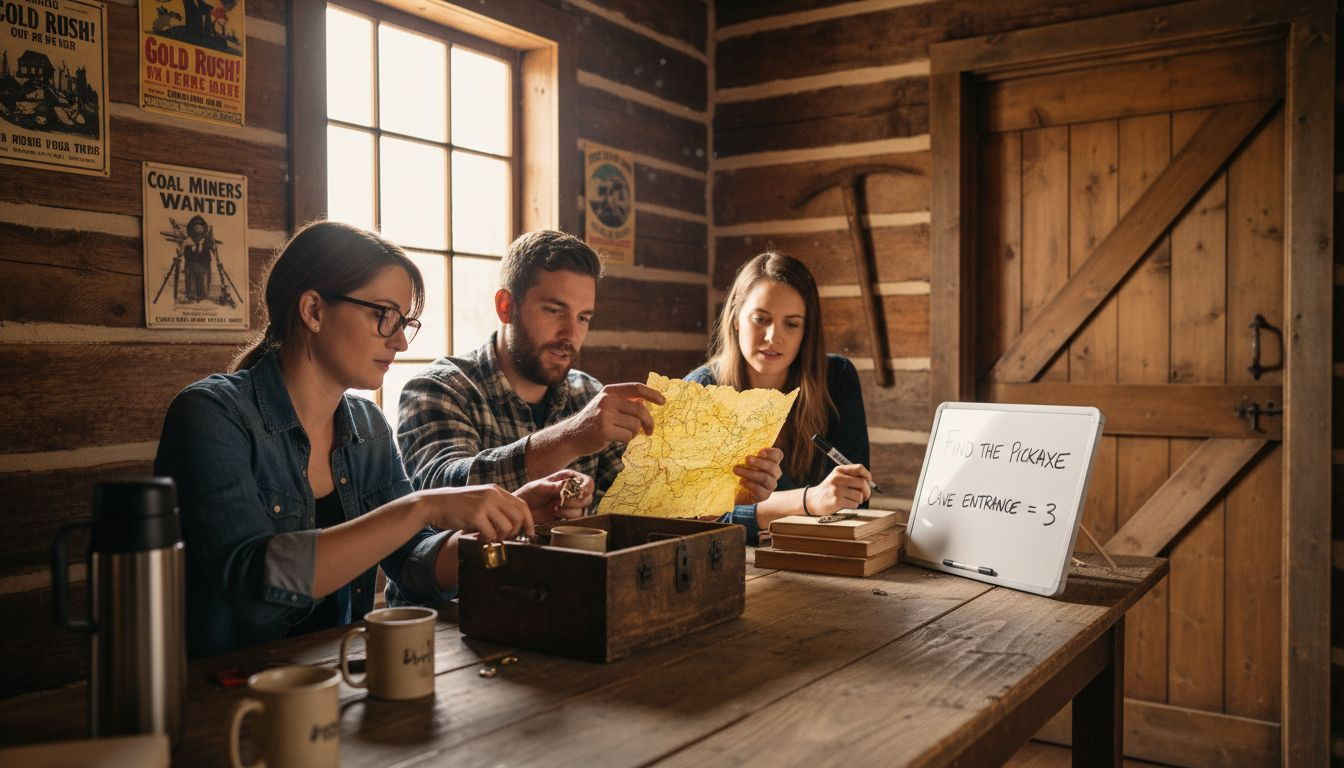
Communication effectiveness increases measurably. Corporate groups discover how clearly they convey ideas under pressure, identify communication gaps, and practice active listening. Over 70% of families report improved bonding and interaction after participating in escape rooms together. The shared challenge creates opportunities for family members to see each other’s strengths in new contexts.
Trust building emerges organically through collaborative puzzle solving. Team members must rely on each other’s observations, trust partner competence in specific tasks, and support struggling teammates without judgment. This interdependence mirrors workplace dynamics but occurs in a low stakes, fun environment where mistakes become learning opportunities rather than performance failures.
Leadership skills surface naturally as groups self organize. Some participants gravitate toward coordination roles, others excel at detail oriented puzzle work, while creative thinkers generate breakthrough insights. These organic role discoveries help teams understand individual strengths and optimize task distribution in future collaborative settings.
“The beauty of escape rooms lies in their ability to reveal authentic team dynamics without formal assessments. Natural leaders emerge, communication patterns become visible, and groups learn collaboration through experience rather than lecture.”
Social strengthening elements:
- Clear verbal communication under time constraints
- Trust development through task interdependence
- Natural leadership role discovery
- Family bonding via shared achievement
Entertainment value and local appeal
Immersive thematic design transforms escape rooms from simple puzzle collections into memorable narrative experiences. High quality rooms feature detailed set design, atmospheric lighting, sound effects, and props that transport participants into different worlds. This multi sensory engagement creates emotional connections far exceeding traditional entertainment options.
Colorado Springs venues often incorporate local cultural elements and historical narratives into their themes. Tourist groups particularly appreciate rooms referencing regional history, geographic features, or community stories. These locally flavored experiences provide entertainment while offering cultural insight, making them valuable additions to visitor itineraries.
Narrative driven experiences build stronger engagement than abstract puzzle sequences. When players understand their character roles, comprehend stakes within the story, and feel invested in outcomes, puzzle solving gains purpose beyond simple completion. Narrative driven storytelling creates emotional arcs that participants remember and discuss long after leaving.
Replay value increases with strong thematic elements and multiple room options. Groups who enjoy their first experience often return to try different themes, bringing new friends or family members. Venues offering diverse room types, from lighthearted comedy to intense suspense, appeal to broader audiences and encourage repeat bookings.
Pro Tip: Choose rooms with themes matching your group’s interests for maximum enjoyment. Horror fans thrive in suspenseful environments, while families with young children prefer adventure or mystery themes without scary elements.
Entertainment amplifiers:
- Detailed set design creating full immersion
- Local cultural themes for tourist appeal
- Story driven puzzles with emotional stakes
- Diverse room variety encouraging repeat visits
Escape room variety and differentiators
Understanding how different escape room types serve specific audiences helps you select experiences aligned with your group’s goals and preferences. The following comparison highlights key differences across common categories.
| Room Type | Difficulty Level | Primary Themes | Best For | Typical Group Size | Hint Availability |
|---|---|---|---|---|---|
| Family Friendly | Easy to Moderate | Adventure, Mystery, Comedy | Parents with children 8+ | 4 to 6 | Unlimited guided hints |
| Corporate Team Building | Moderate to Hard | Strategy, Communication Challenges | Work teams, professional groups | 6 to 10 | Limited strategic hints |
| Tourist Experience | Moderate | Local history, Cultural narratives | Visitors, tourist groups | 4 to 8 | Standard hint system |
| Expert Challenge | Hard to Extreme | Complex mysteries, Horror | Experienced enthusiasts | 2 to 6 | Minimal or no hints |
Family oriented rooms prioritize cooperative gameplay over extreme difficulty. Puzzles encourage discussion and shared discovery, with mechanics accessible to younger participants. These experiences focus on bonding and creating positive memories rather than intense competition.
Corporate focused rooms emphasize communication challenges and leadership opportunities. Multi track puzzle sequences require task delegation, clear information sharing, and strategic coordination. Teams often debrief afterward to discuss collaboration patterns and apply insights to workplace dynamics.
Tourist themed rooms showcase local culture while maintaining engaging gameplay. Colorado Springs rooms might reference Pike’s Peak history, military heritage, or regional legends. These experiences provide entertainment value while offering cultural context visitors appreciate.
Selection factors by type:
- Match difficulty to your least experienced team member
- Consider theme preferences across all participants
- Verify room capacity accommodates your exact group size
- Ask about customization options for special needs
Pricing and access considerations
Budgeting for escape room experiences involves understanding typical pricing structures and available discount options. Most Colorado Springs venues charge per person rates between $25 and $40, with prices varying by room complexity, duration, and peak versus off peak timing. Weekend evening slots typically command premium rates compared to weekday afternoons.
Private bookings offer personalized experiences at higher price points. Instead of joining strangers, your group receives exclusive room access, ideal for corporate events, family celebrations, or groups preferring controlled environments. Private sessions often include extended briefings and customized difficulty adjustments.
Group and family discounts improve affordability for larger parties. Many venues offer reduced per person rates for groups exceeding six participants, student discounts, military family pricing, or special promotional packages. Always inquire about current deals when booking, as seasonal promotions frequently emerge.
Advance booking becomes essential during peak times. Popular rooms, especially on Friday and Saturday evenings, often sell out weeks ahead. Flexible groups can find better availability and sometimes lower rates by booking weekday slots or afternoon time blocks.
Accessibility considerations extend beyond pricing. Check physical requirements, is the room wheelchair accessible? Are there age restrictions? Do participants need to climb, crawl, or navigate tight spaces? Understanding these factors prevents disappointing surprises and ensures all group members can fully participate.
Budget optimization strategies:
- Book weekday afternoons for lower rates
- Ask about group size discounts before finalizing
- Check military, student, or family promotional pricing
- Reserve popular times several weeks ahead
- Verify accessibility needs match room requirements
Situational recommendations for escape room choices
Matching escape room features to your specific group type maximizes both enjoyment and the unique benefits each experience offers. Use these tailored guidelines to select optimal rooms based on your situation.
-
Families with children aged 8 to 14: Choose adventure or mystery themed rooms rated easy to moderate difficulty. Look for unlimited hint systems and puzzles designed for cooperative solving. These rooms strengthen family bonds through shared accomplishment while introducing children to problem solving in entertaining contexts. Avoid horror themes or rooms with intense psychological pressure.
-
Corporate teams seeking development: Select moderate to hard difficulty rooms emphasizing communication challenges and multi station puzzles. Ideal rooms require clear delegation, information synthesis across team members, and strategic coordination. Post game debriefing sessions help translate observed team dynamics into workplace improvements.
-
Tourist groups exploring Colorado Springs: Prioritize locally themed rooms incorporating regional history or cultural narratives. These experiences provide entertainment while offering insight into community heritage. Moderate difficulty ensures accessibility for mixed experience groups. Family escape room selections often apply similar principles when tourists include children.
-
Friend groups seeking entertainment: Choose themes matching collective interests, whether horror, sci fi, historical, or comedy. Difficulty can skew higher if all participants have prior experience. These groups often prioritize fun and social interaction over structured learning outcomes.
-
Date night couples: Opt for moderate difficulty rooms with strong narrative elements and atmospheric design. Two person capacity rooms create intimate experiences, though many couples enjoy standard rooms when comfortable with potential stranger groupings. Mystery and adventure themes typically work better than horror for first dates.
Discover your perfect escape room in Colorado Springs
Now that you understand how to evaluate escape rooms and match them to your goals, it’s time to experience these benefits firsthand. CodeBusters Escape Room offers diverse themed experiences tailored to families, corporate teams, and visitors exploring Colorado Springs entertainment options.
Their award winning rooms feature immersive set designs, engaging narratives, and puzzles calibrated for various skill levels. Whether you need family friendly adventures with guided hints or challenging corporate team building scenarios, their veteran and family owned business provides flexible booking options and private room availability. Discover locally themed experiences that showcase Colorado Springs culture while delivering the cognitive and social benefits that make escape rooms valuable beyond simple entertainment.
FAQ
What is the ideal group size for an escape room?
Most escape rooms work best with 4 to 8 participants, though optimal group size correlates with engagement and success rates. Rooms designed specifically for your group size maximize participation by ensuring everyone contributes meaningfully. Smaller teams face greater puzzle load per person, while oversized groups may leave some members feeling disconnected from active problem solving.
How do escape rooms improve team communication?
Escape rooms require constant verbal collaboration to share discoveries, coordinate efforts across multiple puzzle streams, and synthesize information into solutions. This intensive interaction naturally enhances communication clarity and active listening skills. Research shows teams report 30% communication effectiveness increase post escape room participation, with benefits transferring to workplace and family settings.
Are escape rooms suitable for young children?
Many escape rooms tailor experiences for children aged 8 and up with age appropriate puzzles and unlimited guided hints. Family friendly rooms feature easier puzzles and cooperative social goals rather than intense difficulty or scary elements. Always verify age recommendations and theme content before booking to ensure the experience matches your children’s maturity and comfort levels.
How long does a typical escape room experience last?
Most escape room games run 60 minutes, with total visit time including briefing and debriefing extending to 75 to 90 minutes. Some venues offer shorter 45 minute experiences or extended 75 minute challenges for complex rooms. Plan additional time for check in, rules explanation, and post game discussion to fully enjoy the experience without rushing.
Can escape rooms accommodate people with mobility limitations?
Accessibility varies significantly by venue and specific room design. Some escape rooms feature wheelchair accessible layouts with puzzles at reachable heights, while others include crawling, climbing, or navigating tight spaces. Always contact the venue directly before booking to discuss specific mobility needs and verify which rooms can accommodate your group members comfortably.